
Gen Z Gaming: How a New Generation Plays, Connects, and Spends Time Online
Contents

Gen Z gaming is more than a hobby. For many players born roughly between the late 1990s and early 2010s, gaming is social life, entertainment, and self‑expression in one place. To understand Gen Z, you need to understand how and why they play games.
This guide explains what makes Gen Z gaming different from older generations. You will see how Gen Z chooses platforms, what games they prefer, how they mix gaming with social media, and what this means for parents, brands, and creators.
What “Gen Z Gaming” Actually Means
Gen Z gaming describes how people in their teens and early twenties engage with games across devices, platforms, and communities. The habits of this group are shaped by growing up with smartphones, fast internet, and always‑on social feeds.
From pastime to digital hangout
For Gen Z, gaming is not a separate activity that happens after school or work. Gaming blends with chat, streaming, memes, and short‑form video. Many Gen Z players jump between playing, watching, and creating content in the same session.
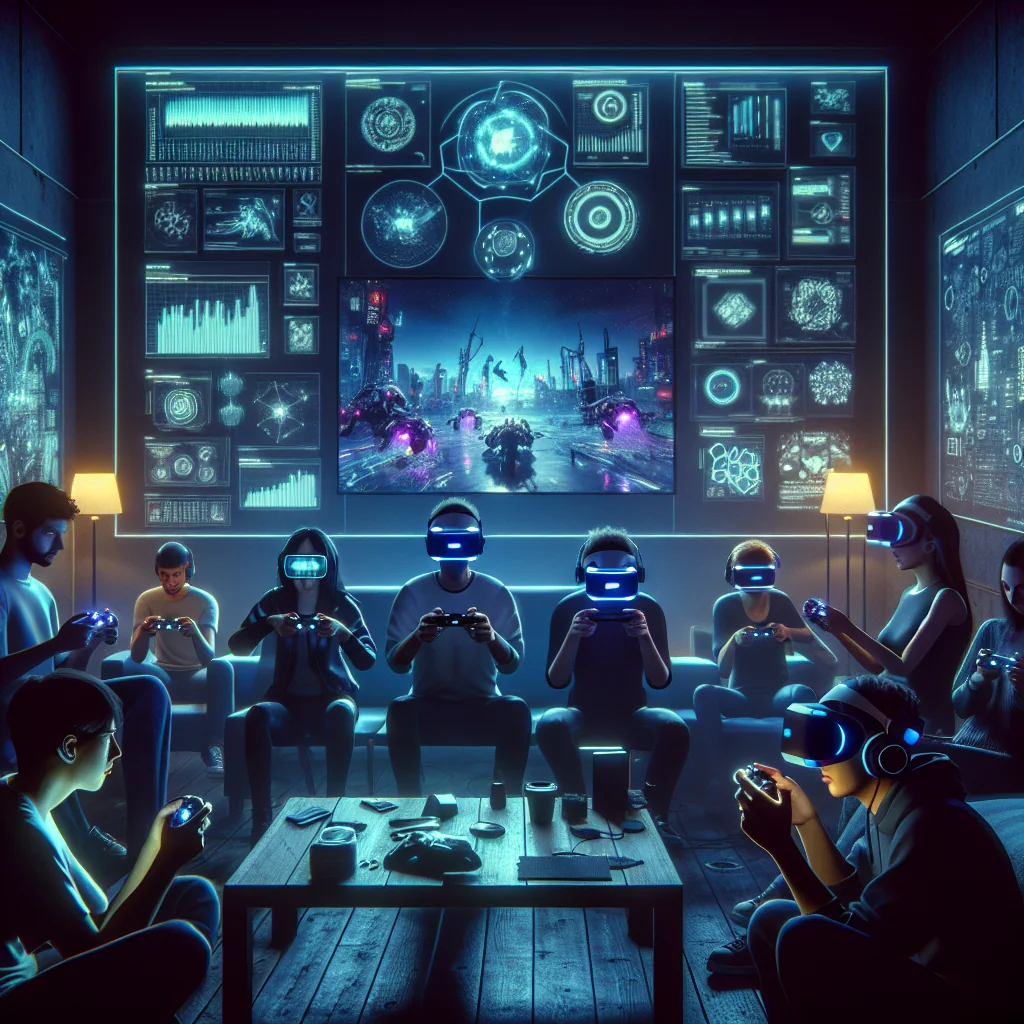
Because of this, gaming for Gen Z is less about solo escape and more about shared spaces. Games act as digital hangouts where friends meet, talk, and build identity together.
Core Traits That Define Gen Z Gaming Culture
Several clear traits show up again and again in Gen Z gaming behavior. These traits help explain why certain games and platforms grow fast with this age group.
Key patterns in how Gen Z gamers behave
Many of the most popular games with Gen Z share the same design choices. They build around social features, regular updates, and strong creator scenes.
- Always social: Voice chat, group play, and in‑game events matter as much as gameplay.
- Mobile‑first, but not mobile‑only: Phones are the default, yet PC and console still matter for deeper play.
- Free‑to‑play friendly: Gen Z accepts free games with in‑game purchases and battle passes.
- Cosmetics over power: Many Gen Z players prefer skins and emotes instead of pay‑to‑win boosts.
- Short sessions, high frequency: Quick matches fit around study, work, and content scrolling.
- Creator‑driven discovery: TikTok, YouTube, and Twitch help Gen Z decide what to play next.
- Cross‑platform expectations: Friends should be able to play together, no matter the device.
These traits shape how games are designed and marketed. Studios that ignore social features, short‑form content, or cross‑play often struggle to win Gen Z attention and loyalty.
Platforms Gen Z Gamers Use Most
Gen Z gaming happens across many devices, but some patterns are clear. The same player may use a phone on the move, a console in the living room, and a PC for competitive play or content creation.
How each platform fits into Gen Z gaming
Different platforms fill different roles in a typical Gen Z gamer’s week. The table below shows how each one fits into daily habits and strengths.
How platforms fit into Gen Z gaming habits
| Platform | Typical Use for Gen Z | Key Strengths |
|---|---|---|
| Mobile | Daily casual play, social games, quick matches | Always on hand, easy to start, huge game variety |
| Console | Evening sessions, party play, big releases | Strong graphics, couch co‑op, popular franchises |
| PC | Competitive titles, mods, streaming and content creation | High performance, custom setups, flexible controls |
| Cloud Gaming | Access high‑end games on lower‑end devices | No big downloads, cross‑device progress |
Many Gen Z players do not see themselves as mobile gamers or PC gamers. They see games as services they can reach anywhere, and they expect progress, friends lists, and purchases to sync across devices without extra effort.
Popular Game Types in Gen Z Gaming
Different regions have different favorites, but several game types stand out in Gen Z gaming worldwide. These genres usually support social play, frequent updates, and strong creator communities.
Genres that dominate Gen Z attention
Battle royale and hero shooters attract Gen Z players who enjoy fast matches and team play. These games often include ranked modes, seasonal events, and large esports scenes that keep players coming back.
Sandbox and creative games appeal to Gen Z players who like to build, design, and share. These games often double as platforms, with custom modes, user‑generated maps, and skins created by the community and shared on social media.
How Gen Z Blends Gaming, Social Media, and Streaming
For Gen Z, gaming, social media, and streaming form one loop. A player may see a clip on TikTok, install the game, play with friends, then post their own highlight later the same day.
The content loop around Gen Z gaming
Streaming platforms and short‑form video apps work as discovery engines. Trends, memes, and viral clips can push an older game back into the spotlight or make a small indie title explode in days.
Gen Z gamers often follow creators as closely as they follow game brands. A trusted streamer or TikTok creator can influence which game modes to try, what skins to buy, or even which platform or control setup to use.
Monetization and Spending Habits in Gen Z Gaming
Gen Z gaming has shaped how games earn revenue. Many players in this group grew up with free‑to‑play games, so up‑front prices can feel less natural than optional in‑game spending spread over time.
What Gen Z is willing to pay for
Gen Z often prefers cosmetic items, battle passes, and small purchases over large one‑time payments. Buying a skin that shows style or group identity can feel more attractive than buying a single‑player expansion that few friends will see.
At the same time, many Gen Z players are price‑sensitive and quick to call out unfair monetization. Aggressive loot boxes, pay‑to‑win mechanics, or unclear odds can damage trust fast and lead to public criticism on social platforms.
Esports, Competitive Play, and Aspirations
Esports and ranked modes are a big part of Gen Z gaming culture. Even players who never enter tournaments may follow pro scenes, watch highlight clips, and copy tactics from top teams to use with friends.
From casual ranked grind to career dreams
Competitive ladders give Gen Z gamers clear goals and a sense of progress. Climbing ranks, unlocking badges, and sharing achievements on social media strengthen identity and status within friend groups and online communities.
Some Gen Z players also see gaming as a possible career path. This does not always mean going pro; many aim for content creation, coaching, editing, event production, or community roles around games and esports scenes.
What Parents and Educators Should Know About Gen Z Gaming
Parents and educators often see only the screen time, not the full context. Understanding what Gen Z gaming offers can help guide healthier habits instead of simple bans that may ignore social benefits.
Balancing benefits and risks for young players
Gaming can support social skills, teamwork, and problem‑solving. Many games ask players to plan together, manage resources, and adapt to changing goals. These skills can be useful beyond games in study, work, and creative projects.
Clear limits still matter. Setting rules on late‑night play, spending, and chat behavior helps reduce risks like sleep loss, impulse buying, or exposure to toxic communities. Talking openly about these rules often works better than sudden bans.
How Brands and Creators Can Engage Gen Z Gamers
For brands and creators, Gen Z gaming offers huge reach but also high standards. This audience values authenticity, quick feedback, and real participation over polished ads that feel disconnected from the game.
Practical steps to reach Gen Z gamers
Brands that do well often support existing communities instead of trying to control them. Examples include sponsoring in‑game events, supporting creator tournaments, or offering skins that fit the game’s style and player culture.
- Listen to how Gen Z already uses a game or platform.
- Work with creators who genuinely enjoy the game.
- Add value through events, tools, or cosmetic rewards.
- Avoid forced memes or language that feels fake.
- Respond to feedback quickly and adjust plans in public.
Creators who connect with Gen Z gamers usually share real experiences, show learning moments, and listen to chat. Over‑scripted content or obvious product pushes tend to fail with this group, while honest reactions and steady presence build trust.
The Future of Gen Z Gaming and What Comes Next
Gen Z gaming will keep shaping how games are built and shared. As this generation ages into full‑time work and higher income, their habits will guide spending and design choices across the games industry and related media.
Long‑term shifts driven by Gen Z players
We can expect more cross‑platform play, more creator tools inside games, and deeper links between games and social apps. Games will keep acting as virtual hangouts, concerts, and learning spaces where social life, entertainment, and creativity blend.
Understanding Gen Z gaming today helps parents, brands, and developers make better choices. The more we see gaming as a social and creative space, the easier it becomes to support healthy, meaningful play for this generation and for those who follow.