Diversity in Video Games: What It Means and Why It Matters
Contents

Diversity in video games has become one of the most discussed topics in modern gaming. Players, developers, and critics now ask who gets represented on screen and who is left out. Diversity in video games covers who appears in games, who makes them, and how those choices shape the experience for millions of players.
Blueprint: Core Dimensions of Diversity in Video Games
This section outlines the structural “blueprint” for thinking about representation in games. These dimensions help developers and players spot patterns, gaps, and progress in a clear way.
On-screen and Behind-the-scenes Representation
Diversity in video games is about who appears in games and how those characters are written. It covers gender, race, ethnicity, disability, age, body type, sexuality, culture, and more. Diversity also includes the game studios themselves and who gets to make creative decisions.
Moving Beyond Token Characters and Stereotypes
Representation is about more than adding many different faces. It also means avoiding flat stereotypes and giving characters depth, agency, and believable stories. Strong diversity means players from different backgrounds can see themselves as heroes, side characters, and even villains, without being reduced to clichés.
Worldbuilding, Settings, and Narratives
Diversity lives in game settings and narratives as well. Worlds based on many cultures, languages, and histories feel richer and more believable than ones based on a single narrow viewpoint. Varied settings help expand the kinds of stories games can tell.
Why Representation in Games Has Real-World Impact
Games are one of the most popular forms of media worldwide. Many players spend hundreds of hours in a single game universe. That time shapes how people see themselves and others, especially younger players who are still forming a sense of identity.
Effects on Players Who See Themselves
Positive representation can help players feel seen and valued. A Black girl who can choose a hero who looks like her, or a disabled player who sees a character using assistive tech as a capable lead, may feel more included in gaming spaces. These characters can signal that they belong in the hobby and in the stories games tell.
Effects on How We See Other Groups
Diverse casts also affect how players see groups they do not belong to. Nuanced characters from different cultures, genders, or abilities can challenge lazy assumptions and build empathy. Because games are interactive, players do not just watch these characters; they control them, make choices for them, and share their struggles.
Impact on the Industry and Culture
Representation shapes who feels welcome to enter the industry as well. When future developers see people like themselves as heroes and as creators, they may be more likely to pursue careers in game development. Over time, that can change which stories get told and who gets to tell them.
Key Dimensions of Diversity in Video Games
To understand diversity in games, it helps to break it into a few main areas. Each area has its own progress and problems that affect players in different ways.
Major Representation Categories
The list below shows common dimensions that shape how inclusive a game feels.
- Gender and gender identity – How many women, men, and non-binary characters appear, and in what roles.
- Race and ethnicity – Who is coded or written as Black, Asian, Indigenous, Latin American, Middle Eastern, or mixed, and how those groups are portrayed.
- Sexual orientation – Whether LGBTQ+ characters exist, and if their stories go beyond “coming out” or tragedy.
- Disability and neurodiversity – Characters with physical, sensory, or cognitive disabilities, and whether the game treats them with respect and realism.
- Body type, age, and appearance – Whether bodies, faces, and ages vary, or if everyone looks like the same athletic 20-something.
- Cultural and regional diversity – Settings, languages, religions, and traditions represented in the game world.
- Behind-the-scenes diversity – Who writes, designs, and directs games, and whose voices shape the final product.
These areas overlap. A single character might represent several identities at once. Thoughtful design treats those layers as part of a full person, not a checklist of traits.
How Diversity in Video Games Has Changed Over Time
Diversity in video games has shifted as technology, culture, and player expectations have changed. Looking at the past helps explain why some patterns still appear and where progress is most visible.
Early Mainstream Games and Narrow Leads
Early mainstream games often centered on white, male, straight, able-bodied leads from Western countries. Side characters, if diverse, were often stereotypes or comic relief. Technical limits made complex character design harder, but social norms and business assumptions played a major role too.
Player Voice and Indie Experiments
Over recent decades, several shifts have pushed for better diversity. Online communities gave players a voice to call out harmful tropes and ask for better representation. Indie developers, often from underrepresented groups, created games that focused on new kinds of stories and heroes.
Big Publishers and Expanded Character Options
Major publishers now speak more openly about diversity goals. Character creators offer more skin tones, hairstyles, pronouns, and body shapes. Story-driven games feature leads from many backgrounds. Progress is uneven, but the trend is clear: players expect richer representation and often reward games that offer it.
Common Problems With Representation in Games
More diverse characters do not automatically mean good representation. Certain patterns keep appearing and can harm players or weaken the story.
Tokenism and Shallow Inclusion
One issue is tokenism: adding a single diverse character without depth, just to “tick a box.” These characters may have little impact on the plot or feel like they exist only to signal inclusion rather than to serve the story.
Stereotypes and Repeated Tropes
Another problem is stereotyping, where characters from a group always share the same traits, accents, roles, or fates. This can turn whole communities into flat symbols instead of full people. Over time, these patterns can reinforce bias and make some players feel unwelcome.
Fridging, Side-lining, and Marketing Gaps
There is also the problem of “fridging,” or using marginalized characters only as plot devices, such as killing them off to motivate a more central, usually majority-group hero. Some games include diversity in marketing but hide those characters in side content, making inclusion feel like an afterthought instead of a core part of the game.
Positive Trends and Inclusive Design Examples
Despite the challenges, many games show how diversity can strengthen both story and gameplay. These titles often let players choose from a wide range of identities or follow a fixed hero who breaks old patterns.
Character Creators and Player Expression
Inclusive character creators now allow darker skin tones, natural Black hairstyles, gender-neutral options, and facial features based on many regions. Some games let players pick pronouns or separate body type from gender, which gives more freedom to express identity in a way that feels personal.
Story-Driven Games With Diverse Leads
Story-focused games have started to center heroes who are women, people of color, queer, disabled, or from non-Western cultures. When writers develop these characters with care, players from all backgrounds often praise the games for feeling fresh and honest. These stories can prove that inclusive casts are compatible with strong sales and critical success.
Accessibility and Overlapping Inclusion
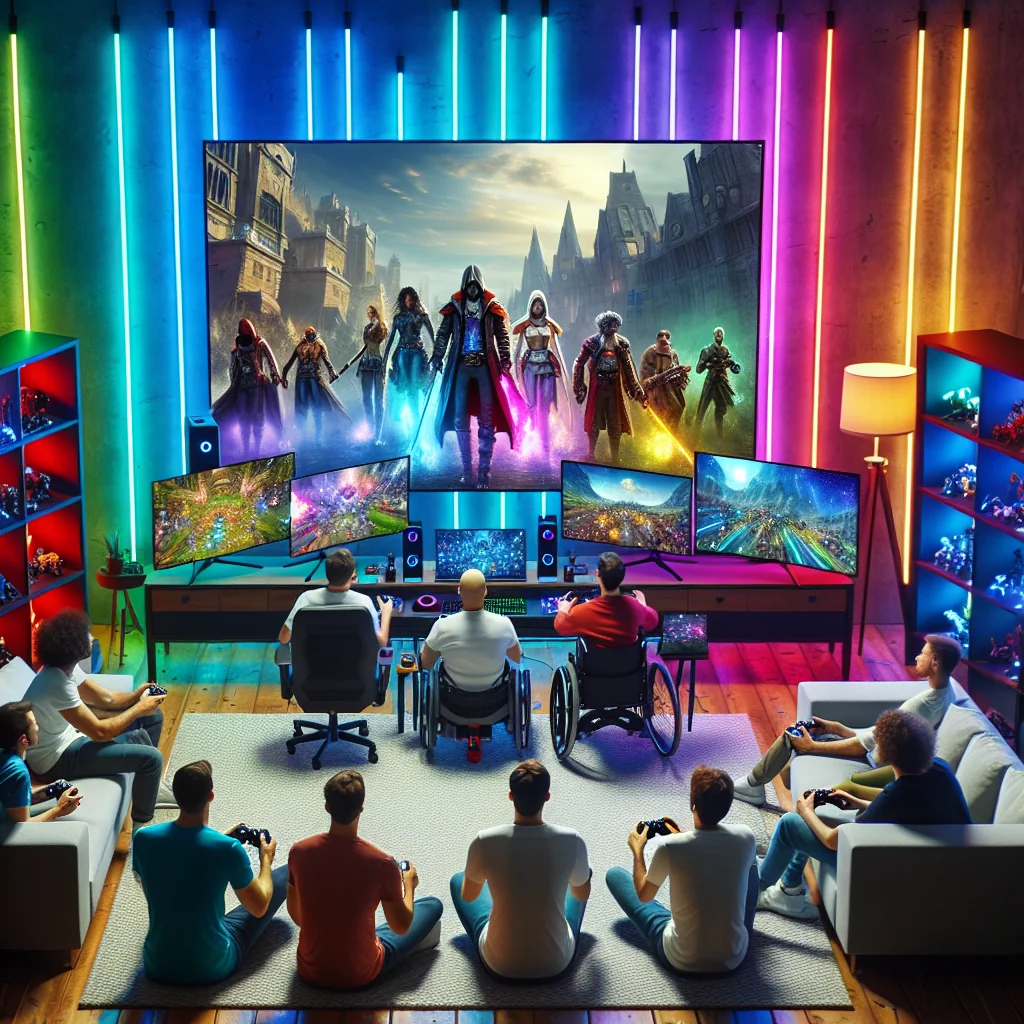
Some games now pair diverse casts with accessibility features, such as flexible controls or visual aids. This mix of representation and practical support can help more players feel welcome. It also shows that diversity is about design choices across the whole experience, not just character art.
How Diverse Teams Shape More Inclusive Games
Diversity on development teams matters as much as diversity on screen. People bring their own experiences into writing, art, and gameplay decisions, which can change how characters and worlds take shape.
Creative Decisions and Lived Experience
A team with many perspectives is more likely to spot harmful tropes early and suggest richer alternatives. Writers and artists who share identities with characters can add details that feel true instead of guessed, from slang and humor to family dynamics.
Hiring, Culture, and Retention
Studios that hire writers, designers, and artists from underrepresented groups often catch details that others might miss. To keep that talent, studios also need a healthy internal culture where people can raise concerns about representation without fear of backlash.
Consultants and Community Input
Some teams work with cultural consultants or community groups. While consultants do not replace diverse staff, they can help check storylines, names, or visual design for offensive or inaccurate elements before launch. This feedback loop can prevent mistakes and build trust with players.
Why Players and Communities Drive Change
Players have a strong influence on diversity in video games. Their choices, feedback, and creative responses send clear signals about what works and what feels harmful or lazy.
Feedback, Reviews, and Public Discussion
Feedback on forums, social channels, and review platforms tells studios which characters resonate and which tropes feel outdated. Many positive changes started with players asking for better representation and explaining why certain portrayals hurt.
Fan Creations and Modding Communities
Fan art, mods, and fan fiction also show demand. When players create their own diverse versions of characters or add representation through mods, they send a clear message: there is an audience for these stories. Some developers watch this closely and adapt future games.
Backlash, Support, and Studio Responses
At the same time, pushback can occur when games try something new. Strong communication from studios, clear creative vision, and public support for marginalized developers and players can help manage backlash and keep progress moving forward.
Practical Principles for Better Diversity in Video Games
Developers who want to improve diversity can follow a few clear principles. The ordered list below lays out a practical blueprint that teams can apply during planning, production, and testing.
Step-by-Step Blueprint for Inclusive Game Design
The following steps give a simple process for building richer, more respectful representation.
- Plan diverse casts from the start. Begin at the concept stage with a mix of leads and side characters, rather than adding them late.
- Involve people from represented groups. Hire or consult with people who share the identities of your characters and listen to their feedback.
- Focus on depth, not quotas. Avoid “one of each” thinking and instead build three-dimensional characters with goals, flaws, and growth.
- Give marginalized characters agency. Let diverse characters drive key choices and major plot turns, not just support the main hero.
- Align gameplay systems with inclusion. Review mechanics, dialogue trees, romance options, and gear choices to see how they treat different characters.
- Test with varied players. Include players from many backgrounds in playtests and ask about both mechanics and representation.
- Iterate based on critique. Adjust designs, dialogue, and marketing when thoughtful criticism reveals blind spots or harmful tropes.
These steps help games feel more human and less like checklists. They also tend to produce stronger stories and more loyal communities, which benefits every player, not just those from underrepresented groups.
Comparison: Common Pitfalls vs Better Practices
Seeing weak and strong patterns side by side makes the impact of diversity choices easier to grasp. The table below compares frequent representation problems with healthier design approaches.
Table of Representation Pitfalls and Improvements
This table highlights how specific issues in diversity in video games can be addressed through better design choices.
| Representation Issue | Typical Example | Healthier Alternative |
|---|---|---|
| Tokenism | One diverse side character with little story impact | Multiple diverse characters with meaningful roles in the main plot |
| Stereotyping | Characters from a group share the same accent or job | Characters with varied personalities, goals, and social roles |
| Fridging | Marginalized character killed to motivate the main hero | Characters with their own arcs, victories, and failures |
| Cosmetic-only diversity | Marketing shows diverse faces, story centers only on one type of hero | Marketing and main story both reflect a genuinely mixed cast |
| Homogenous dev team | Story about many cultures written by a narrow group | Team and consultants include people from the cultures portrayed |
By checking projects against these issues and alternatives, teams can catch weak spots early. Small changes in casting, writing, and hiring can shift a game from shallow inclusion to meaningful representation.
The Future of Diversity in Video Games
Diversity in video games is still a work in progress. Many genres and studios have taken clear steps, while others lag behind. Players are more aware of representation issues, and younger audiences often expect inclusive design as a basic feature.
Emerging Trends and Player Expectations
As tools improve and more creators from varied backgrounds enter the industry, games will likely show an even wider range of lives and cultures. Cross-platform communities share feedback faster, so both praise and criticism spread quickly and shape what studios attempt next.
From “Should We?” to “How Do We Do This Well?”
For players, critics, and developers, the question is shifting from “Should games be diverse?” to “How can we do diversity well?” The more honest, respectful, and creative the answers become, the stronger and more welcoming gaming will be for everyone.